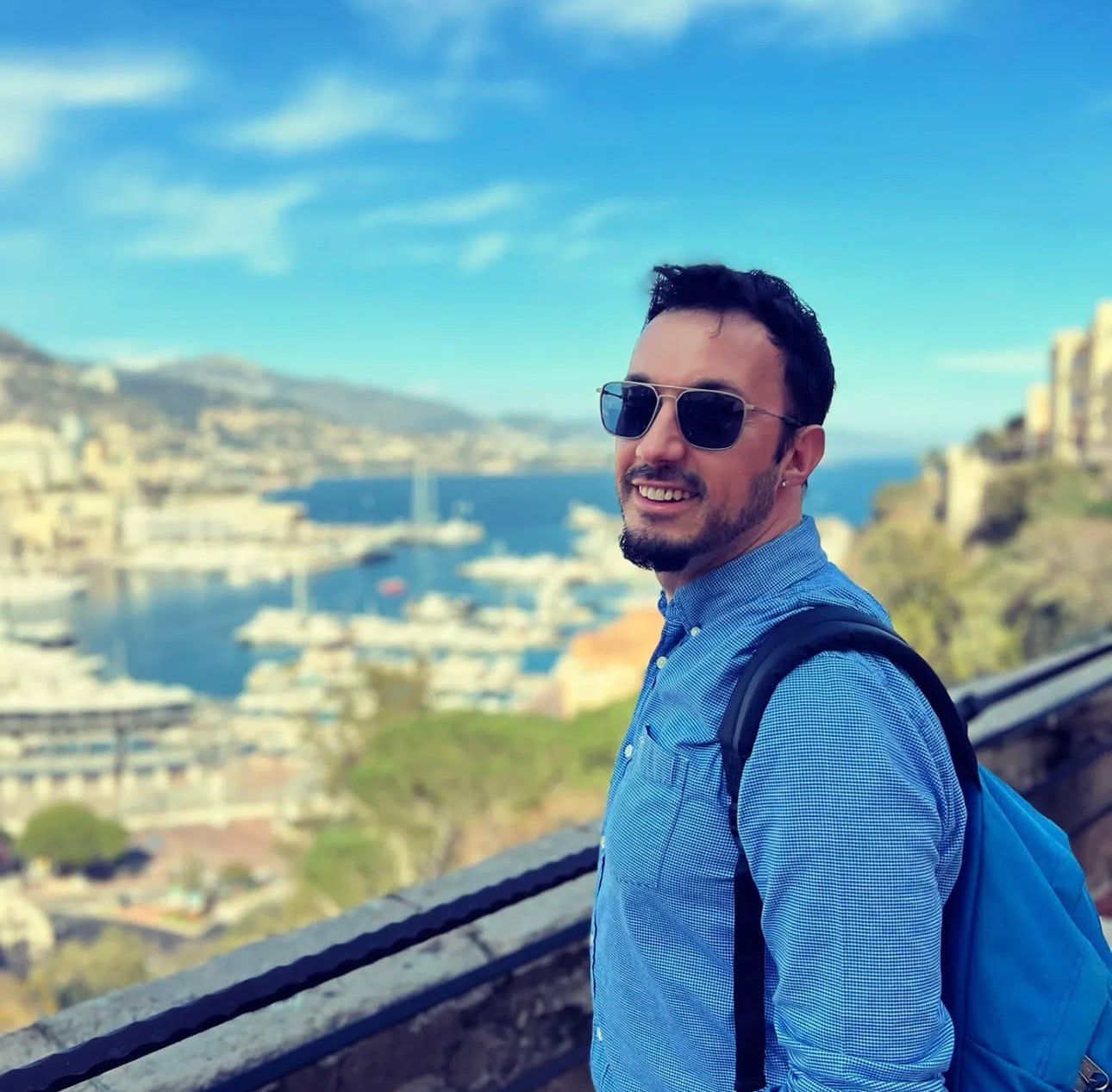
A new year and a new interview! 2026 should be a bit of a change for this blog as I have started doing video interviews! This is totally new to me so forgive me if the location, editing and more need work. Please do leave me some feedback if you’ve any suggestions! In this interview I had the privilege of speaking to my colleague and friend, Guillaume! He kindly shared so many great stories from his amazing life and I think you’ll agree when you hear them that there should be a few more interviews with him!
Guillaume kindly answered all my drafted questions in such detail when I sent them to him before filming so rather than write up a transcript of the video I thought it would be best to share those answers below and also link the video. I’d encourage you to give both a look because different aspects are touched upon!
Who are you and where are you from
I’m Guillaume, and although I’m French, I’ve always felt deeply European, even a citizen of the world. It’s a bit paradoxical, considering I was born in Paris and grew up in the south of France, in a tiny village of just 40 people called Les Mazes, where my family moved when I was six.
That sense of being European comes naturally to me: my mother is French, and my father comes from a family of Spanish immigrants. My grandmother fled Franco’s regime, and her journey shaped much of our family’s identity.
How do we know each other
We met while working together at The LEGO Group, and as we became colleagues, I found myself feeling a real affection for you and naturally drawn to connect with you.
What was it like growing up in France?
When I was six, we moved to a tiny village where making friends was difficult at first. We were seen as “outsiders” from the capital, and many of the children spoke Occitan. Some classes were even taught in that language, which often left me feeling out of place. I spent many hours on my own on a bench at school. Things became easier once I reached secondary school, where students came from a wider variety of areas, and I finally began to feel included.
With time, I became deeply grateful that my parents chose to raise us in the countryside. We grew up fully immersed in nature, fishing, foraging in the woods, and spending long days outdoors. My parents bought a mas, a small medieval stone Castle, and devoted years to restoring it. We grew our own crops, rescued all sorts of animals, and my closest companions were goats, rabbits, and chickens.
The region I’m from has an incredibly strong cultural identity and a deep respect for its heritage. There were no chain stores or fast-food restaurants, the very first McDonald’s, 45 minutes away, wasn’t built until I was 16, and every time construction began, a famous rebellious farmer, would tear it down. It was probably the slowest McDonald’s ever built. Everything around us was local, artisanal, and made with pride like Laguiole knives, Roquefort cheese, and countless regional traditions. At school, we learned about the war and the local Resistance. We met former resistance fighters who had hidden in the surrounding forests; they showed us the places where they once lived in secret and taught us to honor our elders, our land, and our history. School was also where I learned to identify every tree, cook regional dishes, and truly appreciate the place I grew up.
Despite being a small rural area, culture was everywhere. I studied drama and theatre from the age of six into my early adulthood. By fourteen, I used to go to village balls and even small clubs. I loved dancing with my parents and watching them dance too, our village festivals, outdoor celebrations, and events like the June 21st Fête de la Musique were constant and full of joy. My parents were incredibly sociable, so our home was always open, always full of people.
My family was profoundly open-minded. People of every religion, culture, sexuality, or background were welcome in our home. My parents taught me never to judge anyone, not even those struggling with addiction. My closest friends came from very different worlds. One of them, Emily, had a disability and went on to compete multiple times in the Paralympics. She showed me that even if you come from the smallest, quietest place, it doesn’t limit your potential, and I was always so proud that she could swim faster than me with just one arm.
Looking back, the way I grew up was incredibly inspiring. I never questioned sexuality, religion, or difference, it all felt natural. That emotional freedom shaped me from a very young age, and it remains one of the greatest gifts my upbringing gave me.
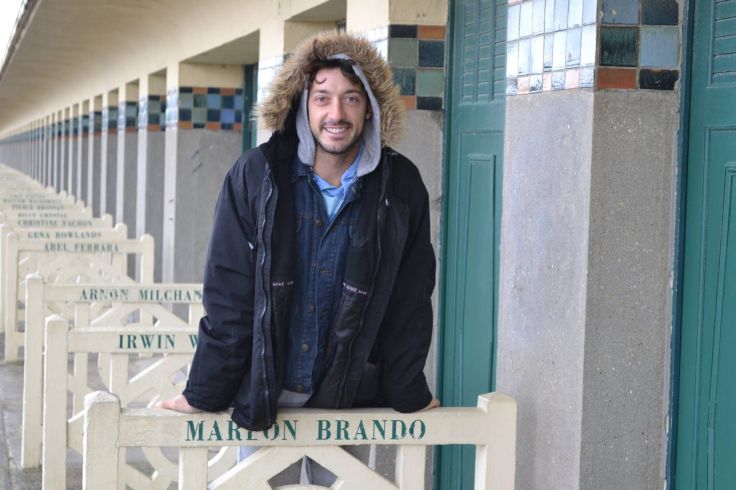
What does being French mean to you?
Being French, to me, has never been about waving a flag, celebrating a language, or taking pride in one particular dish. It goes far deeper than symbols or traditions. Being French is belonging to a land built on the fight for freedom, a place where generations before us struggled so that we could live happier, fuller lives. It means having the right to healthcare, the right to wear what you want, to love who you want, and to welcome and support anyone facing difficulties, no matter where they come from.
What also defines France for me is the simple truth that most French people come from waves of immigration, shaped by centuries of movement, from the Roman Empire to Arab influences, from European migrations to the upheavals caused by war. French identity has never been static or “pure”; it is a beautiful mosaic of cultures,blood, histories, and people. This diversity isn’t a detail, it is the very foundation of who we are.
I grew up inspired by extraordinary figures like Joséphine Baker, Simone Veil, Marie Curie, and Jeanne d’Arc, women who shaped history with courage, compassion, and resilience. They taught me that being French means standing up for justice and human dignity. I also love that in France, politics is never just one voice or one side, the fact that people still take to the streets and express themselves freely reassures me that extremism remains at bay and that democracy is alive.
In school, we learned that revolution is not only a historical event; it is a mindset. The right to strike, to protest, to speak out, and to fight for the life and future you want is woven into our cultural DNA. Being rebellious for a meaningful cause isn’t seen as troublemaking, it is recognised as a fundamental right, a way to shape society and protect freedom.
For me, that is what it truly means to be French, to believe in equality, to stand with the vulnerable, to honour the richness of our diverse origins, and to remember that the freedoms we enjoy today were earned through the courage and sacrifice of those who came before us and to never take it for granted.
You’ve given me a lot of advice when travelling around the south of France, what advice would you share with others thinking to visit France in general?
I think the best advice I’d give anyone visiting France or any country is to look beyond the clichés. France isn’t just Paris, croissants, and museums, it’s a constellation of tiny worlds, each with its own identity, history, and soul.
My best advice when visiting any country is to slow down. Don’t rush from one landmark to the next. Wander into small villages, order the plat du jour, ask for a pichet of wine without even knowing what it is (trust me, if a restaurant served bad wine, no one would sit on their terrace anyway). Sit in a café where no one speaks English, listen to people debate politics (they always do), or watch them flirt, reminisce, or slip into poetry. Visit street markets, try the cheese even if you have no idea what it’s called, and let the rhythm of everyday life unfold around you.
And always smile and say “bonjour” before anything else, it opens doors you didn’t know existed.
Above all, talk to people. French culture can feel a little closed at first, but once you engage, people love sharing their stories, their food, their regional pride, and their history. France is a mosaic of influences, Roman, Arab, African, Spanish, German, and so many more, and you feel that richness everywhere if you pay attention. You might find yourself sitting on a terrace facing a medieval building with Arabic curves, a Roman roof, and Nazi bullet holes in the stone, all while smelling lavender and eating warm bread, without even realizing how many lives, tears, joys, and centuries have shaped that single spot.
And if you’re heading to the south, my advice is simple, follow the smell of food, the sound of music, and the light. And if someone invites you to join them, go. You’re about to make unforgettable memories.
Do you feel you have a passion for travel, if so where are so stand out locations for you?
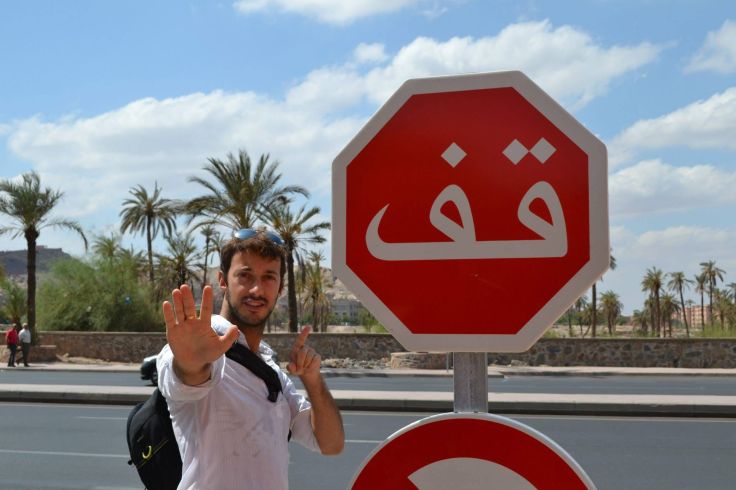
I’ve always loved to travel, and it started early when I lived in England and Wales. Later, I lived in Morocco and Greece, by 19-year-old I already lived 5 countries and experienced many cultures and life learning moments and working at Disneyland opened even more doors for me to explore the world. One of the most defining moments was traveling to Egypt during the revolution, I wanted to understand what people were living through and to witness history with my own eyes.
That journey led me to Cambodia with a Cambodian friend, an absolute angel with “diamond fingers,” capable of performing miracles on Disney costumes. She invited me to meet her family, and I ended up living with them and traveling across the country by her side for 5 weeks. They had no toilets, no showers, no fridge or stove, yet they were some of the happiest and most genuine people I have ever met. We showered outside with all the men of the family, laughing as we sprayed water on each other, cooked meals slowly over open fires with the women, walked through the jungle with the kids, met a radiant woman living on her own in this jungle and I even worked with her cousins. At one point, we had a frightening encounter with a former Red Khmer soldier deep in the jungle, an area that required special permits to enter, which she somehow managed to sneak me into.
But what stayed with me the most was the incredible love, passion, and generosity that surrounded me everywhere I went. It was life-changing.
When I came back home from that trip, I knew I couldn’t continue living the same way. That’s when I agreed to freeze my contract for three years with my partner and follow him back to England and become cabin crew, to keep exploring the world and learning from the people in it.
You worked at Disneyland Paris, what did you do there and when was that between?
I worked at Disneyland Paris after a chapter of my life spent in Wales, where I had moved to learn English. It came after a difficult period in France, and I had made a promise to myself that I would achieve something meaningful, no matter how challenging the path felt. During that time, I was attending all sorts of auditions, including, amusingly, one for Big Brother.
Then one day, the casting director from Disneyland Paris invited me to audition in Leeds or London. But I was supposed to be in Paris that week and told him I wouldn’t be able to make it. To my surprise, he simply replied, “That’s fine, just come to Disneyland, and I’ll audition you here.”
So I went. I still remember walking into that enormous studio completely alone, absolutely terrified. But he was warm, kind, and encouraging, and that gave me the courage to go for it.
And I got the job. That day changed everything for me, it shaped the rest of my life.
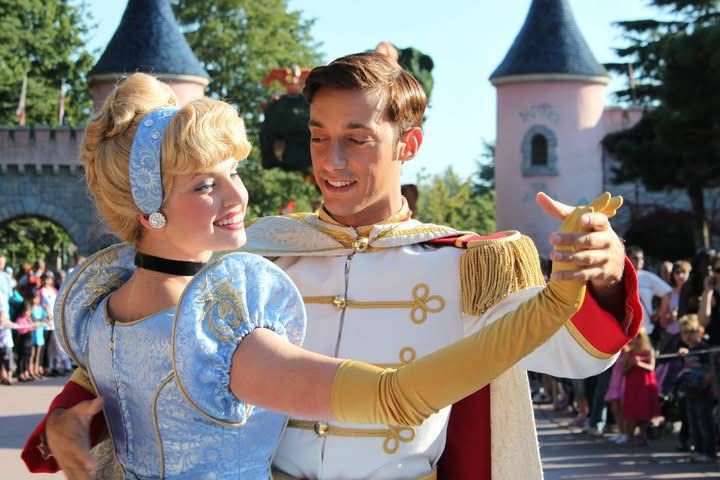
At Disneyland, I became best friends with so many iconic characters. I performed in shows and parades, worked special events and TV appearances, and helped make dreams come true for families who desperately needed a bit of magic and happiness, something Disneyland was incredibly generous about. I even drove parade floats and escorted characters through the park to meet guests from all around the world.
Eventually, I became Character 1, a key backstage position in entertainment operations. We were responsible for coordinating the entertainment department, it was stressful, fast-paced, and demanding, but also unbelievably fun and rewarding.
What was the most rewarding part about working there?
The most rewarding part of working there was that I finally got to be unapologetically myself, smiling my life away, discovering who I was, and developing talents I never believed I had. I met people who believed in me far more than I believed in myself, people who saw potential I couldn’t even recognise. They gave me opportunities I will always be grateful for.
But above everything, what touched me the most was the love I received from the guests. The way they looked at me, the light in their eyes, the pure joy and affection they radiated, even if it wasn’t directed at “me” personally, I felt it in my heart every single day. It was one of the greatest privileges of my life.
And then there were my colleagues, who quickly became family. We laughed together, cried together, pushed through exhaustion together, and built memories that felt like shared magic. Those strangers became brothers and sisters to me, and the bonds we created were some of the most beautiful I’ve ever experienced.
I’m aware you were best friends with a few characters at the Park which ones were your favourite
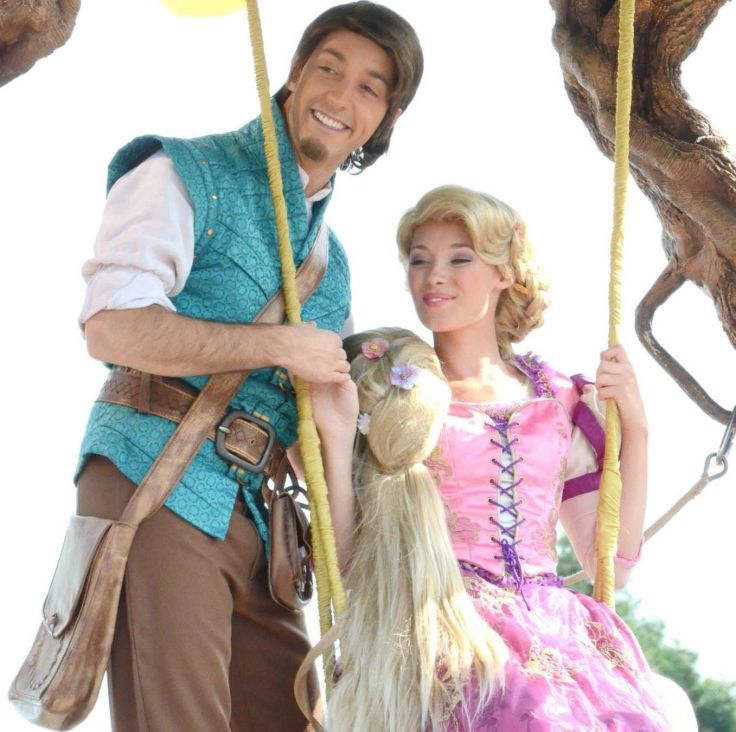
My favourite “best friend” at the Park was definitely Goofy, he was endlessly fun, always kind, and had this magical ability to make everyone smile. Flynn Rider was another one I loved; he was adventurous, cheeky, and full of charisma, I really had the best memories with him. Woody, Geppetto, Tigger were perfect for a nice warm hug and plenty of friendly moments.
During the night parade, I was also best friends with Maleficent, ever so evil, yet impossibly glamorous and dramatic. She would disappear and transform into a dragon twice in the middle of the parade, and it was one of my favourite moments every night. The drama was real, the energy was electric, and I loved every single second spent with her.
And then there was the Queen of Hearts, unapologetic and larger-than-life. Playing with Tweedle Dee and Tweedle Dum, discovering guests around Fantasyland, and creating silly games with children and families brought so much joy. She was chaotic in the most delightful way.
Spiderman was so cool too ! I’m a big Marvel fan and I loved meeting up with him !
But the most meaningful of all was Prince Charming. He was the very first reason I ended up at Disneyland, and even if I sometimes found him a little boring, the memories and countless hours I spent with him remain incredibly precious. Those moments shaped a part of my life that I’ll always keep close to my heart.
Do you feel that set you on a path of any kind, is there anything you learnt there that you still hold on to from working at Disney?
That’s a great question. Yes, I do feel it set me on a path in many ways. Working at Disney really shaped how I think about service, teamwork, and creating memorable experiences. I learned that service isn’t just about meeting expectations, but about going far beyond them, creating that element of surprise by being one step ahead of what’s expected.
At Disney, cast members often push this even further than what the company itself asks for. There’s almost an addiction to over-perfecting the result, always looking for ways to make the experience better, more magical, and more thoughtful. That mindset of excellence and attention to detail has stayed with me long after my time there.
I also learned a deep respect for every role and every team. I worked closely with costuming, restaurants, hotels, guest services, makeup artists, transportation for entertainment, show directors, different managers and team leaders, as well as cleaners. Saying hello, thank you, and taking the time to learn each other’s names was a core part of Disneyland’s culture. It taught me that every role matters, we were all there for the same reason.
One more thing that truly stayed with me is learning how powerful a smile can be. I learned how to smile for hours, and how quickly you can change the mood of a room in just a few seconds. Bringing dreams and magic into a space where someone might be ill or even close to dying, and helping them forget their reality for just a moment, was something I deeply cherished. Not being afraid of death, and instead choosing to bring happiness, is something I loved, and it’s a talent I’ve carried with me and used in every job I’ve had since.
It might just be me, I might even be a little delusional, but I always felt like everyone was smiling at each other, and that every encounter mattered. That sense of shared purpose, respect, and kindness left a lasting impression on me and continues to guide how I work and connect with people today.
You always come across as a very positive and caring person, do you feel your role at Disney allowed you to either be that way or express yourself more in that way?
I think Disney didn’t create that part of me, but it absolutely allowed me to express it fully and without fear. From a very young age, the way I was educated and at times abused, taught me that I was worth nothing. I was exposed to a lot of negativity and violence, yet at the same time I grew up surrounded by love. One sentence my mum told me has never left me: “Love should feel good.” I live for love, I love love, and I’m deeply sensitive.
I’ve been very close to death several times in my life, and honestly, the only things that kept me going were positivity, love, and kindness. Those became my anchors. Disney felt like a place where those values weren’t just accepted, they were celebrated. It gave me permission to be exactly who I was, and even to lean into it more.
Along the way, I’ve met a few key angels in my life, people whose language I often didn’t even speak, yet they showed me unconditional love and help. That feeling is something I’ve never forgotten, and it’s something I will always try to bring to anyone I meet.
I’ve also had some strange and beautiful confirmations of this path. I once met a woman on a boat in Egypt who, after a long conversation on our first night, bought me a blue stone and told me I was a healing soul. The next day, a Muslim doctor gave me a Quran and said I could heal people more than religion ever could. When I came back from that journey, one of my best friends gave me a stone and told me I had the power to heal people through kindness. I hear things like this often.
So when you say I come across as positive and caring, it really touches me. Disney didn’t invent that in me, life did, but Disney gave me the space to turn pain into purpose, and to use love, joy, and care as strengths. In a way, it helped me survive, and then helped me share that survival with others.
What made you want to leave Disney?
I never really wanted to leave Disney. In my mind, I pictured myself staying there forever, I was looking to buy a home on my own, I had a good salary and building a career, loved my friends or eventually returning to the south of France. Disney felt like home.
What changed everything was love. I met my partner, who is from the UK, and after I came back from a trip to Cambodia, he shared how much he missed his family and wanted to return to England. We decided to freeze our Disneyland contract for three years, keeping the door open, because leaving felt impossible to me.
I had always dreamed of becoming cabin crew, but I was scared. I remember calling my mum and telling her how happy I was where I was, yet how I couldn’t imagine life without him. She said something that stayed with me deeply: “You’ve already lived six lives. Whenever you see a wall of fear, push it down and go live the experience. You’ve achieved so much already, this will only bring more adventure and excitement.”
That conversation changed everything. I turned to my partner and said, “Let’s do it.”
You also worked as Cabin Crew, when was this and for what airline(s)?
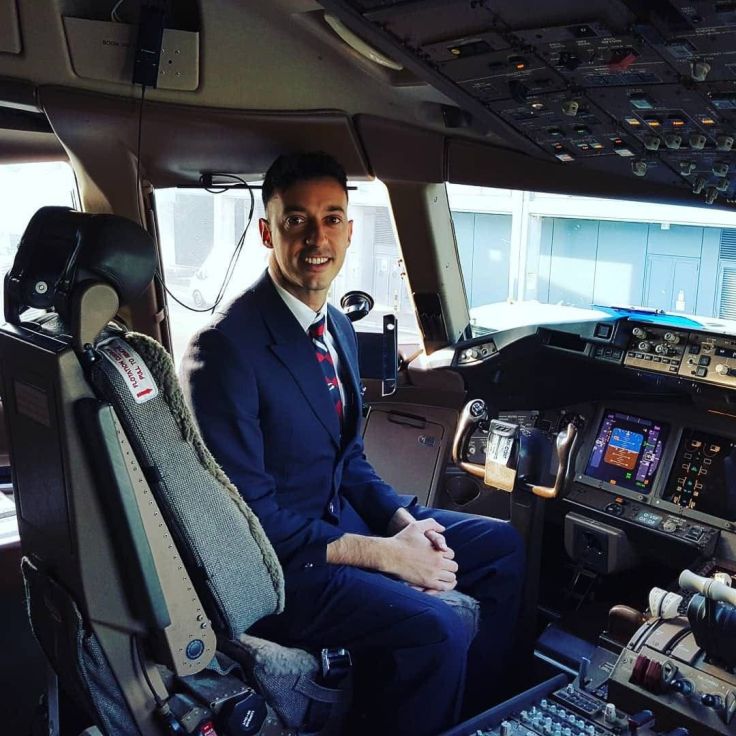
Yes, once the decision to go to the UK was made, I applied to British Airways and was fortunate enough to be offered the role. It was a long process, but I froze my contract at Disneyland and went on to fly with British Airways for three years.
When COVID happened, everything changed. I was meant to return to Disneyland, but at that time my mum was diagnosed with her third cancer. I couldn’t bear the idea of losing another parent while being far away, so I stayed with her in the south of France. As a result, I ultimately lost both contracts, with Disney and with British Airways, but being there for my mum was something I never questioned.
What pushed you to want to take that role?
I’ve always fought hard to do the jobs I truly wanted to do. When I wanted to be a fitness instructor and entertain people, I made it happen. When I first stepped into Disneyland as a teenager, I knew instantly that I wanted to work there, and I did. Becoming cabin crew followed that same pattern.
I was drawn to it because I saw cabin crew as incredibly brave. They travel the world on their own, handle the unexpected, and can save lives in the sky with nothing more than what’s on the aircraft, all while smiling, remaining glamorous, and delivering high-quality service. That mix of courage, independence, responsibility, and care for others really inspired me, and it felt like a natural next step for me.
What was the best part about that role?
For me, the best part was the human connection. The people I met, the lives I helped save, I’ll never forget their faces. The stories shared, the tears, the laughter… all of it stays with me.
Sometimes those memories feel almost unreal, but they’re incredibly vivid and deeply meaningful. They’re what made the role so special to me.
What I also loved about the role was how strict we had to be with our knowledge and how clearly defined our responsibilities were. You owned your role completely, no one could hide behind anyone else. Everyone worked incredibly hard, and while it was demanding, it felt refreshing. It was tough, but it felt so good to be fully responsible for my own work.
What do you enjoy the most about the UK
What I enjoy most about the UK is the total freedom of self-expression — you can dress however you like, have any hair colour you want, and no one judges. I’ve seen people doing their grocery shopping in pyjamas and fluffy flip-flops and not a single eyelid was raised. Absolute freedom.
My skin is also extremely grateful for the lack of constant sun, and on a very serious note… being able to buy cheese late at night because shops don’t close at 6pm is truly living the dream. I love the Spice girls too !
Do you think you’ve picked up any British habits?
Living in the UK has really changed the way I communicate. I’ve learned how to soften my honesty, not to be less truthful, but to be less brutally blunt, and to choose my words more carefully. I’ve also learned that it’s okay, and sometimes even wise, to keep certain thoughts to myself rather than saying everything out loud.
There’s a real art here in understatement, politeness, and reading the room, and I’ve grown to appreciate that. It’s made me more reflective, more patient, and more aware of how my words land on others.
What brought you to working at The LEGO Group?
COVID ultimately brought me to The LEGO Group. During that period of uncertainty, I came across the role and was immediately drawn to the way the job application was presented and how thoughtfully the recruitment process was handled. The care, warmth, and attention I experienced reminded me a lot of Disney, and that feeling really stayed with me and made me want to be part of the company.
What is the most rewarding part about working at The LEGO Group
One of the most rewarding parts for me is the diversity at The LEGO Group. I lead a team made up of different generations, cultures, sexualities, and religions, and there is a genuine level of respect and care between everyone. Seeing people feel safe to be themselves and support one another is incredibly inspiring to me and something I’m very proud of.
Do you also think working here has allowed you to use your skills and flourish?
Yes, I’m very thankful for the opportunities I’ve been given. The role is quite different from what I used to do and, in many ways, less demanding, but it has allowed me to grow in a different direction. I find it really interesting to learn about the country’s regulations and how things work here, and it’s given me the chance to develop new skills while using my experience in a new context.
Moving on from your career I’d like to as a little bit more about your personal life. As a part of the LGBTQIA+ community do you feel you are well represented in society currently?
I do feel like it’s getting better, even though gay rights are clearly in massive danger in many parts of the world right now. We’re seeing far fewer caricatures on TV and in reality shows, where LGBTQIA+ people were often portrayed as clowns or something to fear, especially following the damaging narratives and propaganda around AIDS and LGBTQ+ communities in the 70s and 80s.
What really gives me hope is seeing representation that feels human and respectful, like in series such as Love, Victor. But even more than that, it’s in everyday life, when I meet my nephew’s friends and being gay isn’t sexualised or questioned anymore. They don’t see me through the lens of my sexuality; they just see me as their friend’s uncle.
Even with the challenges we still face, it’s incredible to see how much more tolerant and open younger generations are compared to the past. That genuinely warms my heart and gives me hope for the future.
Is there ever a fear that someone you’re speaking to is very Anti LGBT?
Yes, it’s always there. It’s almost an instinct. Even before I understood anything about sex, I was already being sexualised. From a very young age, I learned how to monitor myself: the way I speak, how I hold my body, what I say, how I express emotions toward men and women. All of it became something I had to control.
I’ve been attacked, questioned, and put in situations countless times in ways that a straight person would never experience or even think about. Whether it’s looking for a place to live, work, reading the reactions of neighbours, colleagues, parents, friends, family, or even a friend’s partner, there’s always that underlying fear of how I’ll be perceived or treated.
It’s a daily fear that I can’t fully escape. And while I know I am so much more than my sexuality, I’m very aware that, in the eyes of many people, my sexuality still defines me before anything else.
Did you it difficult to navigate coming out as gay?
I was actually very fortunate in many ways. Most of my cousins are gay, so I grew up surrounded by examples that showed me there was nothing unusual or shameful about it. My mum was also the one who spoke to me about it first, and she never made it feel heavy, awkward, or like a “conversation” that needed to happen. Her attitude made acceptance feel completely natural.
As a young child, I had total freedom to be myself. One day you’d find me wearing her wedding dress and dressing up, and the next day I’d be a musketeer. I was allowed to play with any toys I wanted, she bought me dolls and Polly Pocket when I asked for them, and I also played with cars and superheroes. There were no rules about what I should like or who I should be, and that freedom shaped me deeply.
The hardest part was telling my best friend. Aside from that, I often didn’t really have to “come out” at all. As I once explained to my mum, I don’t like presenting myself based on what I do with my body, but on what’s in my heart. She showed me that way of living through her own behaviour, she never judged anyone and consistently modelled acceptance and tolerance toward everyone around her.
Because of that, I never really questioned love or sexual desire. I always felt free to be attracted to anyone who made me feel loved, regardless of whether they were a man or a woman, fit or unfit, older or younger, disabled or not. What truly attracted me was feeling safe, happy, and able to laugh with someone. Kindness is what I fell in love with first; desire was also a strong part of it, when something sparked my curiosity, I felt free to explore it. My mum always made sure I was safe and well educated around these topics, and we always spoke freely about anything and I was happy to tell her when I first had sex and how it went, but she never told me who to love. And because love came before labels for me, it always felt easier and more natural to introduce the person I loved to the people around me.
What is it like to be a part of this community, do you feel there is a good support network to either provide or receive support?
Being part of this community is both comforting and complex. There is a strong sense of shared understanding, often without needing many words, because so many of us have navigated similar fears, questions, and experiences. That creates a natural bond and a willingness to look out for one another.
I do feel there is a support network, especially through chosen family. Over the years, I’ve made many friends living with HIV/AIDS and others with very similar life stories. We share experiences of being constantly judged, sexualised, or portrayed as a danger, and more recently, the pressure and oppression that can come from social media, where attacks can feel relentless and very public. I remember waking up to 200 messages of hate simply for commenting on the killing of a gay person for being gay, often from anonymous accounts. At first, it was deeply disturbing, but over time it has given me strength and reinforced why visibility and speaking up still matter.
At the same time, I’ve met many allies along the way, and that gives me real hope. More and more people are becoming less fearful and more accepting, particularly in workplaces and everyday environments, which shows that progress is happening.
That said, while our community has a powerful shared history, it is also very complex. There are still many divisions within it, around age, being trans, being a person of colour, and many other lived experiences. I sometimes wish we were better at tolerating and supporting one another internally. If we could stand more united, helping each other across those differences, we would have an even stronger voice and a greater impact. By showing solidarity and care within our own community, we can set the right example for the wider world.
Is there anything you wish more people knew about you?
As a teenager, I struggled with drug issues, and I learned to live with depression and suicidal thoughts. At a very young age, I found myself holding together a broken family and eventually ended up in a reintegration school. And yet, I still achieved all the dreams I once thought were out of reach. I don’t see myself as a victim. I learned to live with what I was given, and what I was given, above all, was a lot of love. While my mum often says she’s sorry about everything, I wouldn’t change a thing, and I’m endlessly grateful to her.
I truly believe we shouldn’t stay in a victim mindset. We can learn, grow, and move forward. I knocked on doors people told me would never open, and some doors opened that I never even thought to try, because others believed in me and pushed them open for me. Life surprised me in the best ways.
Now, I always try to be the person who gives others the strength to believe in themselves and to chase their dreams. I make a point of going back to that school to inspire young people who are exactly where I once was. It’s okay to make the wrong choices, there’s always another opportunity to make a better one. As long as you act with love and try not to hurt others, you’re moving in the right direction.
If there’s one thing I want people to know about me, it’s this: dare to dream.
I wanted to thank Guillaume for his time and for helping me test the video format of the blog, it means a lot! I hope you’ve enjoyed his story whether you read it or listened to it! I am so fortunate to work with such amazing people from all over the world and can’t wait to learn more about them all. If you want to follow the blogs Youtube channel you can subscribe here. If you’d like to support the blog in a different way, feel free to leave a small donation to help with the running costs, either way thanks so much for being here and following these stories along with me.
 Interviews With You! By Lewis Jane
Leave a comment