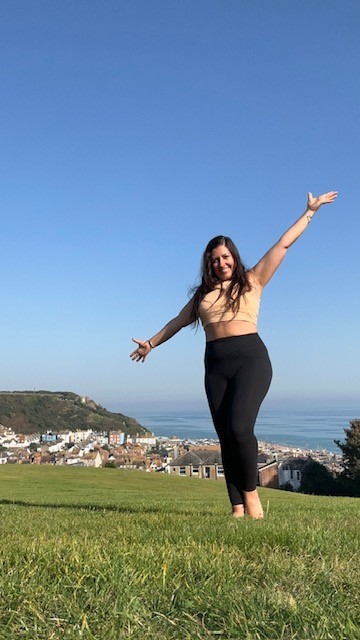
This week I was able to sit down with a colleague of mine, Roberta! Having been on the same team as Roberta for a while I was aware that they had always been someone that has pushed themselves and I wanted to delve a little deeper into their experiences to see what the reason for their continued determination might be.
It’s always a treat to get to speak to people who have lived across the world so I hope you enjoy this interview as much as I did!
Q: Could you introduce yourself, who are you and where are you from?
A: I’m Roberta, I am Italian and I was born in Cagliari the capital city of Sardinia which is a beautiful island in the Mediterranean Sea. I lived there until the end of High School and then I moved to Rome to study Communication and Marketing at University as well as a Masters after that.
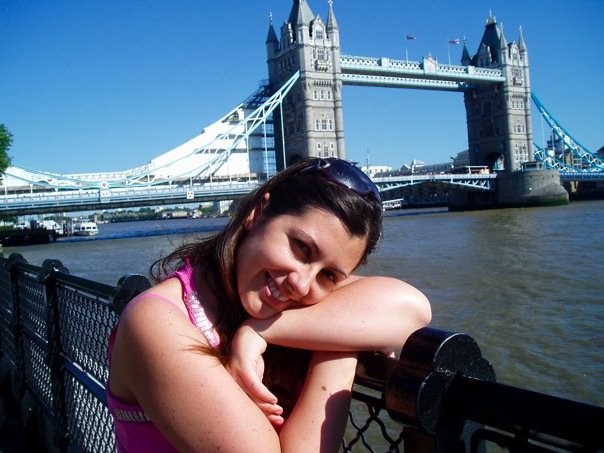
I then moved to London for a 3-month English course, lived here for a number of years and then traveled and lived in Colombia. After living in Colombia for a number of years I returned to England and I’d consider England my home!
Living in Sardinia
Q. At what age did you leave Sardinia and what your experience like growing in up in there?
So High school in Italy actually runs until you are 18 or 19 years old and then you can go to university so I lived there until that age. I feel very lucky to have been born in Sardinia as it’s a safe place, is very quiet and the seaside is fantastic. I used to think all beaches were like in Sardinia where they look similar to the Caribbean but only when I moved around did I realise that this is not the case!
I feel the culture is very rich in Sardinia as it’s different from the mainland as we have Spanish roots and are therefore quite close to Spanish culture. At the same time I feel it’s not well connected to the mainland because it’s an isolated Island. To get to the mainland it’s either a flight or a 12+ Hour boat, both of which are expensive.
There is also a lack of job opportunities, when I lived in Rome I was studying and working but if I was studying in Cagliari this wouldn’t be possible because the job opportunities are short time frames, limited and do not pay so well.
Q. You mentioned Spanish roots, what is it about these roots that sets Sardinia apart from mainland Italy?
In Sardinia we speak Italian but also our own language called Sardo, Sardo also has different dialects around the island, in the North there is a city called Alghero and there they speak Catalan which is the same language spoken in some areas of Spain, so the Spanish influence comes from these kind of things as Sardo is not that different to Spanish and a number of Italians understand Spanish due to the similarities in our national languages.
Outside of the Spanish influence Sardinia also stands out as one of the worlds ‘Blue Zones’ where people are living until the ages ranging up to 100 years old, in fact my grandfather lived until 102. This is similar to Okinawa in Japan and people are still researching why this is happening.
Q. Is Sardinia more of a holiday destination for people from the mainland or foreign visitors?
Yes, the island lives off of tourism, but people come from everywhere not just the mainland, I would consider it as high-end because it is quite expensive to visit. In the north there is an area called Costa Smeralda which is being invested in heavily by foreign investors. It’s full of huge Yachts, VIPs and luxurious people.
Living in Sardinia in general is actually more expensive than the mainland, this is not just because of tourism it has always been this way for a long time because we are isolated, and the government does not support us with tariffs like other countries may with their own islands.
Q. You spoke about leaving for Rome after school, was this primarily for studying or had you always wished to travel or move?
It was to study primarily; my course was not available in my city but at the same time I wished to study ‘abroad’ and for people from Sardinia the mainland can feel like it is ‘abroad’. I do wonder how my life would’ve been like if I didn’t leave for university because I would have left at some point for certain but perhaps it would have been later in life.
It would have been nice to remain in a quiet and peaceful place with my friends but also, I’m happy I left because I had a great opportunity not only to study but to network, for example I had contacts in the Italian media, I wrote for local newspapers and had so many experiences I could not get in Sardinia.
I think moving to Rome helped me become more interested in travel.
Q. Despite those experiences did you miss home?
Yes, my friends and family above all else. However my family always tends to be split, as my siblings are in different cities on the mainland, I was in Rome and my parents in Sardinia.
Q. What did you like the most about living in Rome?
The opportunities as I mentioned but not only work related but activities to do, places to visit and food to eat. What I found strange at first was that I could visit anywhere I wanted, I could take a train to another region or even another country but back home I was restricted to an island. Although I still was not as adventurous as I am now.
Q. It’s interesting you say that as you went to London for 3 months after Rome, what made you decide to start being adventurous by doing this?
While I was in school for three summers I went to England to study English as a kind of holiday. I fell in love with the country at that time and wanted to return some day. I wanted to go to Scotland after school originally to continue to study English but I had a bit of social pressure to go to University first, so I did that and decided to put my study of English aside for a while.
I finished my master’s degree and worked in Tourism, I was around 24 years old and my colleague would tease me about not speaking English well. When my contract ended, I decided that was the time to invest in studying English so I bought a one-way ticket to London.
I remember landing and being on a train when the announcement said something and everyone got off, I didn’t understand it but thankfully an Italian man was there, so I begged them to help me and they did, feeling like this only solidified my need to learn English.
Q. Did you go back to Rome after the course?
No, I completed the course, had a job and accommodation with great friends so I decided to try and stay, I continued working and then also studied English at University. I did try to go back to Italy at a point but quickly returned to England. Overall, I was in England for 7 years until I decided to move again.
Moving to Colombia
Q. Let’s move on to your time in Colombia, what made you decide on living in Colombia rather than anywhere else, did this push you out of your comfort zone in any way?
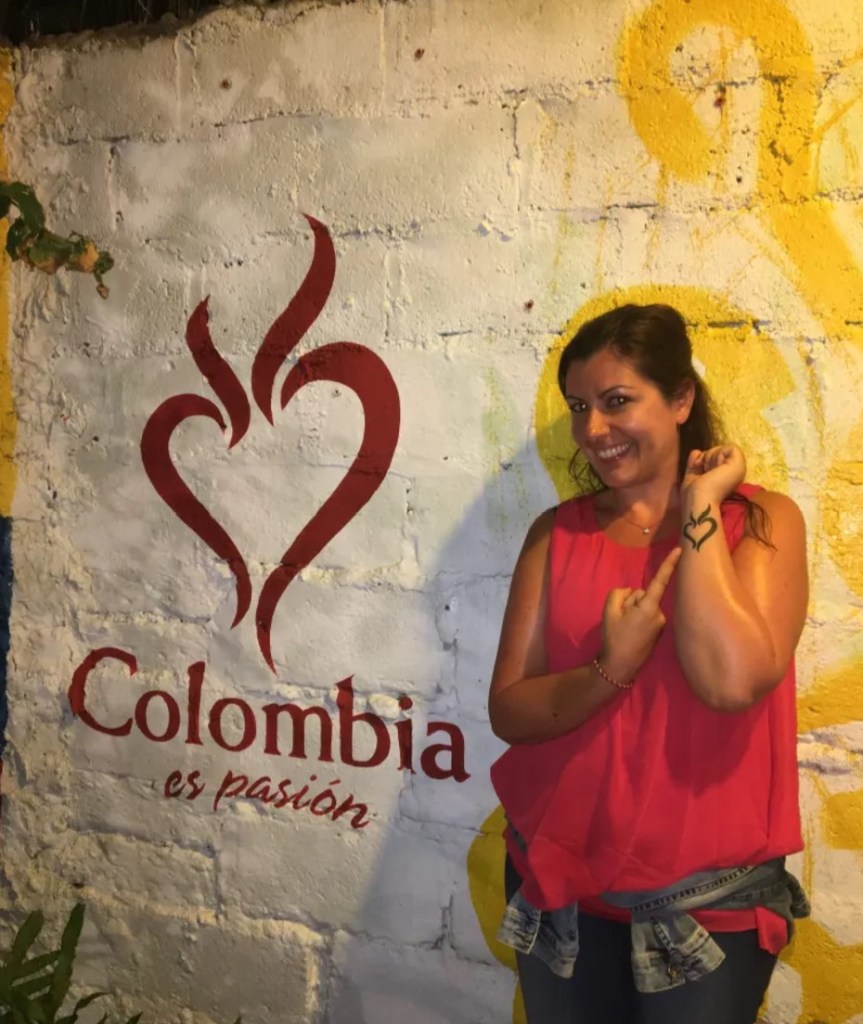
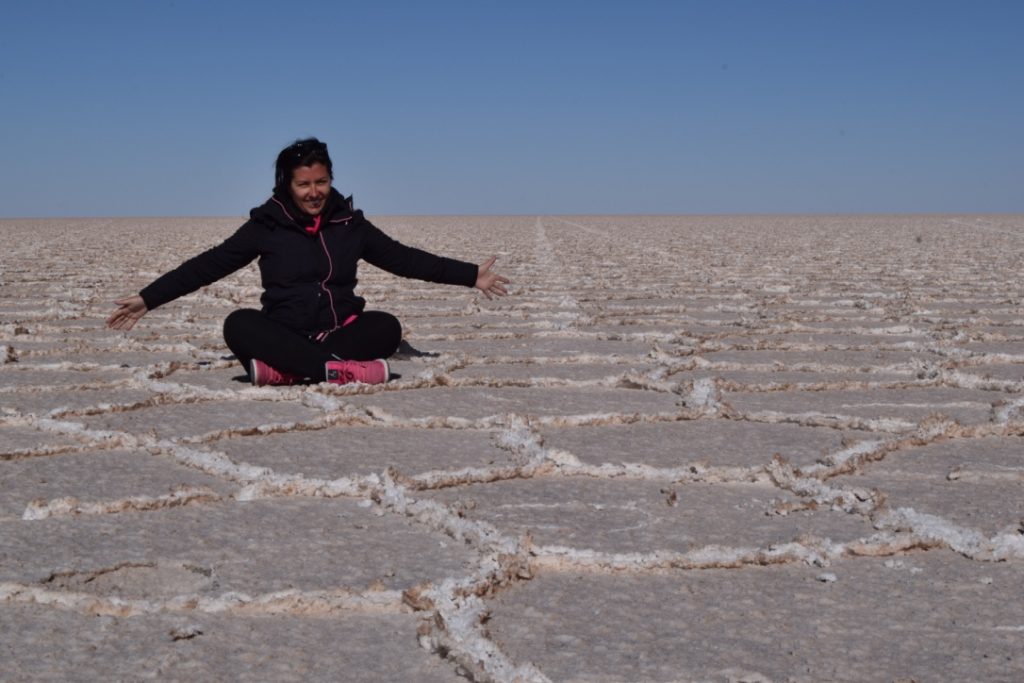
I visited Colombia in January 2015 as a tourist, and I fell in love with the country. I wanted a change in my life and was generally unhappy, but I’d always had this dream of traveling around South America. So I decided I wanted to return to South America at start fresh soI quit my job in 2016 and sold my possessions.
This was a massive step out of my comfort zone! I began in Colombia and aimed to stay for 1 month and move on, but I stayed for 6 months and studied Spanish at the same time. I travelled around the continent for a while after but again returned to Colombia to work in a Spanish school. I then entered a relationship while I was there and remained until 2020, so 4 years overall.
Q. What did you do in the school you worked in
It was a Spanish school for foreigners, and I was the community manager, I was responsible for all of the marketing in Italy and English-speaking countries. I built a blog and wrote it in Italian as well as English, I worked on the social media and more.
Q. Where were you based primarily?
For the 6-month period it was the capital of Bogota mostly. When I came back I lived between Bogota and Villavicencio, I lived in the latter but travelled for work to the capital.
Q. Did you find the culture there was vastly different from what you expected?
I feel like the culture is similar to the Italian culture, people are open, less reserved and very friendly, they make you feel like a friend and at home.
Q. What did you enjoy the most about the country and your time there?
One of the best things about the country is the beautiful nature. I struggle to put it into words, you really need to experience it. The people also are just amazing, for example as soon as I landed there was someone in the airport saying ‘Hello, welcome to Colombia’. It’s a small thing but It just made me feel like I was truly welcome in the country.
Q. I always find that moving abroad can help you learn a lot about yourself and define your mindset moving forward, does that statement resonate with you?
Yes, I’m not the same person I was when I lived in Sardinia. Also all this travel made me realise where I really wanted to be and showed me that I’m more comfortable with the UK because people are more reserved, nobody want’s to get too involved in my business and I can live a more private life. Nobody cares here that I have an accent and I can integrate easily.
Q. Was there anything in Colombia that you feel people worldwide should emulate?
Yes, their positivity. They have this mindset where they are so resilient no matter what happens to them, they seem to be able to move on and look forward through positivity. An example would be attending a wake is not such a sad event but a celebration of the deceased’s life where music is playing, people are dancing and there was no crying.
Q. As I understand, you created a blog during your time in the country, was this just while working in the school or was this a personal blog?
No, before I travelled to Colombia in 2015 It was difficult to find information in Italian and this made me anxious. When I came back I decided to make a blog about my own time there and explain how the country was so that other Italians didn’t feel like I did.
I initially posted it as a diary but over time it became my full-time job where I was also organising tours in Bogota, I was helping tourism companies with advertising and also writing for other blogs.
I’m still doing tailor made itineraries for Italians who wish to visit!
Experience with Blogging
Q. As a blogger myself I’m, interested to know what did you find most challenging about building an audience?
While I was travelling in South America, I was doing an online Masters degree and studying digital marketing. I used marketing strategies to ensure my blog was able to get view, you need to know SEO, pay for Google ads, paid social media posts and lots of networking is key. You really need to spend money to make money and make it a bit of a full-time job for yourself.
Q. Are you still blogging today or is the focus more on the side business of making itineraries for travellers?
It’s changed a bit since the beginning, the blogs are more about travel than my experiences. I’ve also wrote a book in Italian about my life in Colombia but my blogging is not as much as it used to be, I find myself quite busy so it’s hard to get into it and I’m still decompressing after my time in Colombia.
I have another blog about travel in general but it’s the same story that I don’t do it as often as I may life. I enjoy blogging because it’s my passion to share travel tips but to be successful you need to make it a bit of a job, put time and effort in and remain patient.
My priority now Is to focus on my current job but I’d like to pick things up again someday.
Q. It’s great you share all this information though because things are so readily available in English but I never thought about other languages and how information may lack for them for certain destinations.
Yes, I’d just like people to have the best experience possible!
Life in England
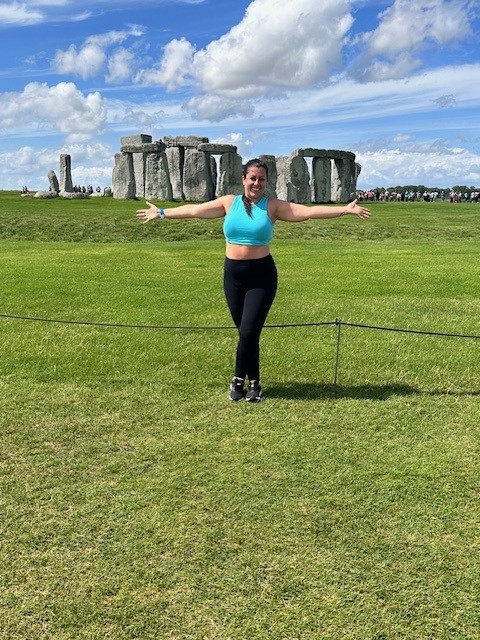
Q. I wanted to touch upon your time in England. What made you want to live in England indefinitely?
It was always in my mind that with Brexit coming I didn’t want to lose the right to stay in the country. I had a flight booked back to Italy from Colombia for a travel conference in March 2020, when covid happened I couldn’t cancel it and would lose money so I went back to Italy. I arrived on a Sunday and the day after they closed off everything.
As Covid progressed I couldn’t return to Colombia, I was staying with my parents, and I was panicking as I couldn’t continue my blog. I decided that I’d need to apply for jobs around Europe and after many interviews I landed the job at LEGO.
But this was a blessing in disguise, I didn’t lose my settled status and I remembered how much I enjoyed living here!
Q. Do you feel like England is home to you now?
Yes, I can truly be myself with no judgement. I also want to say I think the NHS is a great service, it has some issues but when you’ve been to places like Colombia where you need to pay and you could die if you can’t afford it, I appreciate the NHS.
Q. What do you enjoy the most about England?
I love the opportunities and the people from all over the world and the culture but also the freedom to enjoy my own culture within this country.
Q. Do you think all this travelling you have done has really pushed you out of your comfort zone at every stage?
Yes, I actually love being in my comfort zone but I always try to push myself wherever possible and I think travel was a big reason for that.
Wellbeing
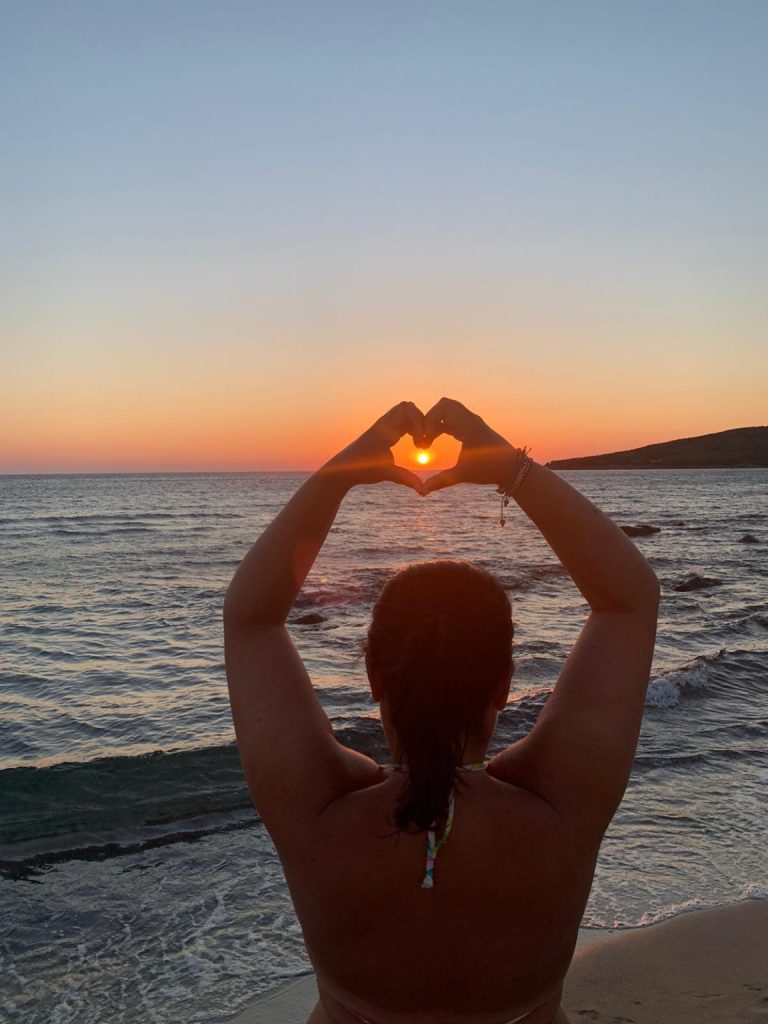
Q. Having worked with you for a while now I am aware that wellbeing is at the forefront of everything you do. You organise and support many different initiatives of this in the workplace such as the Coffee talks mentioned in a previous interview, but why do you feel we should focus on our wellbeing?
I push so much on wellbeing at work because when I joined our company I was at a lower point in my life, I was alone during a pandemic and felt quite isolated because of my personal situation, I was in a civil partnership in Colombia and my partner was due to join me in England but things did not work out.
I feel this Job saved my life and my mental health, I was supported by my manager in so many ways, the company offered so much assistance and so did my colleagues. I feel the company has so much on offer to help people with their wellbeing.
I felt that many employees either did not know or make use of what was available to them so because I was helped I wanted to share this with others, but people need to know that they need to put the effort in to help themselves by making use of what the company offers, I’m sure this is not exclusive to just our company.
Q. I’m aware you’re also a member of Toastmasters in Windsor, could you explain what that is and why you joined?
Toastmasters is an international organisation that supports people in practicing and gaining skills in public speaking. One of my friends in Milan is a member of Toastmasters there and they always spoke to me about it.
I felt joining Toastmasters would be a good way to meet people outside of work. I have got to speak to so many people and get to know them while gaining skills at the same time including giving feedback, listening skills and speaking in front of an audience.
Q. It is clear that the theme here has been to push yourself but as a final question. How would you encourage others to push themselves out of their comfort zone?
It’s a difficult question because what worked for me may not work for others. I can tell you this though, when I was 4 years old, I was a great singer. So much so that my mother signed me up for a famous children’s singing competition in Italy which was televised. I was so prepared and looking forward to it but when it came to my turn I was disqualified because I was too shy.
My Dad saw me on TV and when I got home, he was a bit disappointed in me. Even years later at school my teachers feedback to my parents was that I was so shy. In one moment I just decided to stop this, or nothing would change. My point is, if you’re unhappy and want to change you need to just try, nobody will care and only you know what the issue is, for me only I knew I was shy, I didn’t need to show it.
Fake it until you make it!
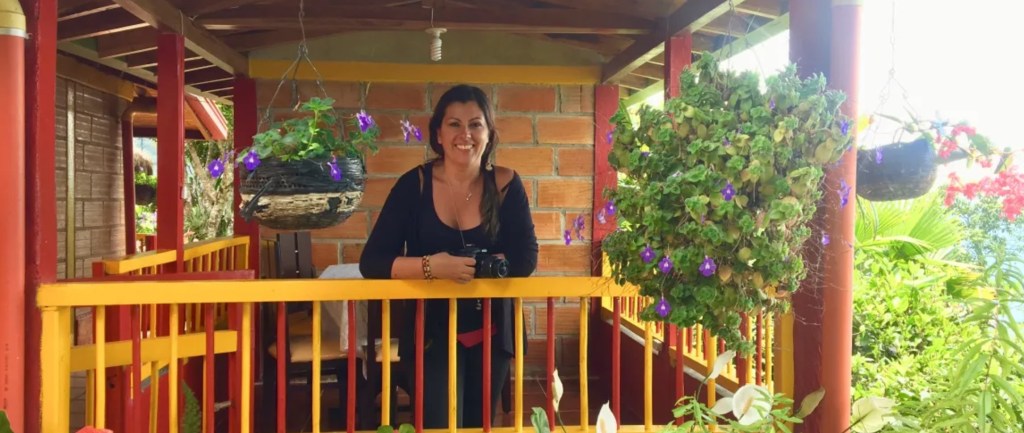
I wanted to thank Roberta for being so open and honest during this interview. I truly learned a lot not only about how to set up a successful blog but also about countries I’d never visited. If you’d like to read Roberta’s blogs you can find links here and here, but please note that these are only available in Italian. Roberta also hosts a Youtube channel which does have English subtitles!
If you are feeling you need help with your own well being please ensure you make the time to explore what may be on offer either at your own workplace, online or locally and remember to talk to someone if you’re struggling!
If you’d like to read more interviews like this please do check out the blog further by clicking the home page. You can also follow our Instagram!
 Interviews With You! By Lewis Jane
Leave a comment