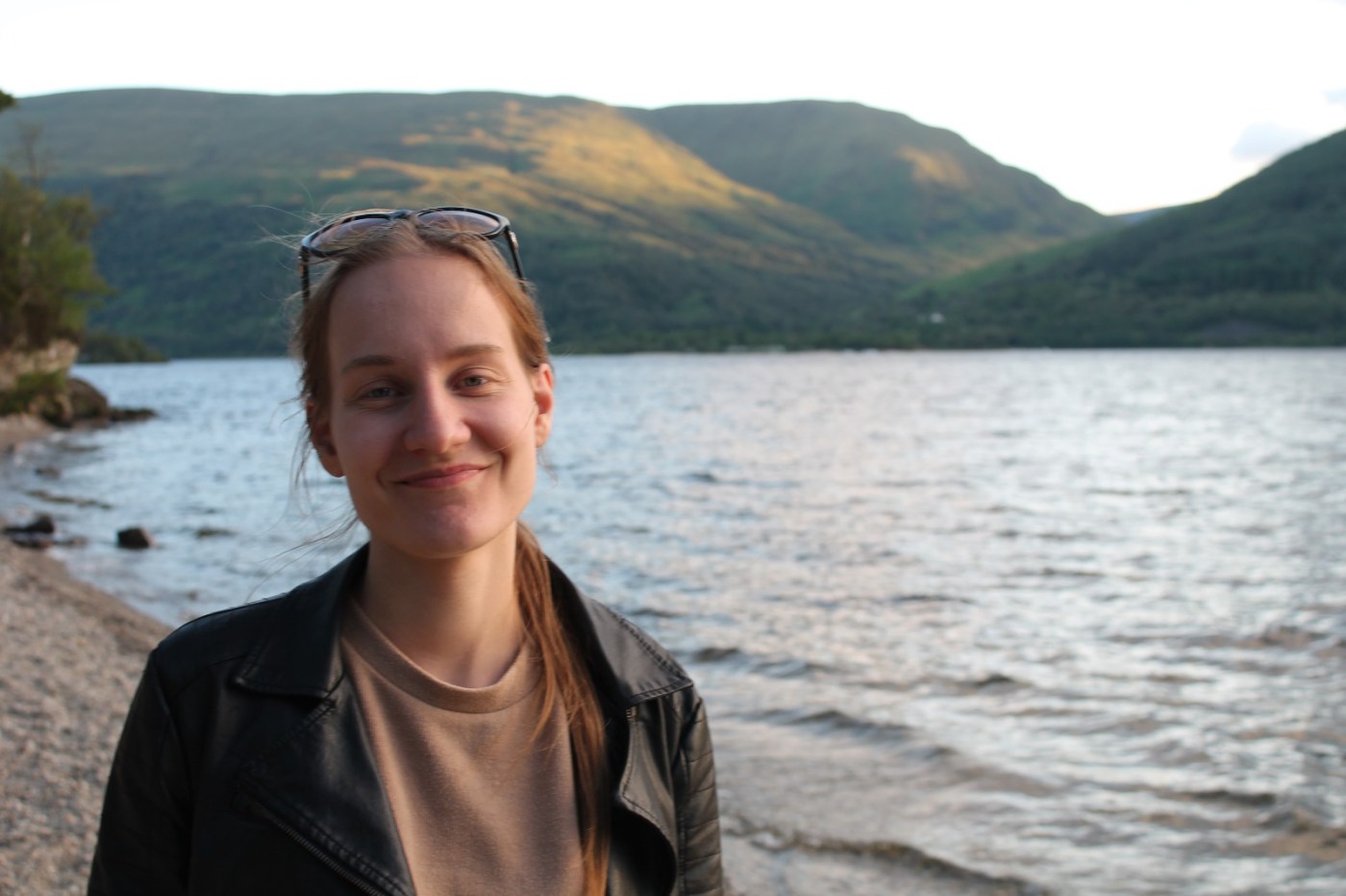
This week I’m back again interviewing one of my colleagues Ilva! I’ve been working in the same company as Ilva for a few years now but it’s only recently that we were tasked with working together, after which we quickly became friends. After getting to know them more I realised that we had some similar experiences and that actually they have a joint project that is similar to what my blog is, which is around building connections so I wanted to share this connection with all of you! I hope you’ll enjoy reading this interview as much as I did conducting it!
Q. Who are you and where are you from?
A. My name is Ilva, I’m from Latvia but I’ve lived in England for 7 years and I’m 29 years old.
Q. Where in Latvia are you from?
A. I’m from a town called Preiļi which is about as far away from the capital (Riga) as you can go, it’s around a 4-hour drive but I moved to the capital when I was 12 years old with my Mother and Sister.
Q. What was it like growing up in your hometown and also Riga?
A. It was very different because growing up in a small town there were only around 10,000 people on a good day, it was nice because it was quiet and safe, there was also a big community feeling. Then we moved to Riga because of my mother’s job.
It was different for sure, there is this preconception of people in the capital being a bit arrogant, so it was hard for me to adapt.
Q. Do you find that is a normal thing for people from towns to find people from the city to be more arrogant, busy or in a rush? I’m from a town and I find London can be a totally different world.
A. I agree but I think it’s because in the cities the communities are not so tight knit and people tend to be more individualistic, it’s the same in the UK I think.
Q. You moved from a town to a city, but did you always feel you wanted to travel further afield or did you feel like you’d be staying in Latvia for your whole life?
A. As a kid I never really thought I could move anywhere but when I moved to Riga which is the place where everybody goes in Latvia if you ever want to be ‘anybody’, I met some people in school there who had traveled a lot. I also went abroad myself to the UK at 16 and solidified my need to travel move.
Q. Do you feel Latvia is an underrated place to visit for tourists, if so, what would you recommend about the country or capital that a tourist should do?
A. I don’t think it’s underrated; I think many people have been there because it’s a short-day trip from the UK for example. I think most people that go there end up doing the three Baltic states of Estonia, Latvia and Lithuania which I understand as they are not so culturally different, but most people visit Riga for a few days and move on.
Not being from Riga I think I’d know more places to visit, one of my favourites would be Sigulda which is around an hour’s train ride from Riga. Latvia generally if very flat but in that area in the northeast it’s quite hilly and beautiful. If you go you should go in Autumn!

Q. Could you explain when and why you first came to the England?
A. I didn’t travel much as a kid so when I did get the opportunity, I was always really excited, some students and myself came to England as part of a youth exchange when I was 16, it was around a week long and I totally fell in love with the country.
I quickly realised I wanted to live here one day, I loved the history, the language, the culture and how polite everybody was.
Q. Where did you stay at that time?
A. We stayed in London, it was all organised by the Youth group and we were there to see how a Teenage magazine for girls was made.
Q. You came back to England later in your life, when was that and what made you come back at that time?
A. Around 21 years old I went travelling with my sister, we went as far as New Zealand for a working holiday and some other countries along the way. I found New Zealand similar to the UK culturally and that helped me realise that despite enjoying it I still missed the UK and that being closer to Latvia made the decision easier.
Q. When you left the UK initially at 16 what was it you missed the most that helped you decide to come back?
A. It was that people were so polite, which I feel is the difference between Latvia and the UK in that Latvians tend to be much more direct and tell you how it is, which I do appreciate in its own way but I prefer the British way of being more polite about it.
I also loved how multicultural the country was and still is as in Latvia there tends to only really be Latvians and some Russian people.
Q. You traveled quite a bit from what you described and from what I know you’ve been to a few places not many other people have such as Samoa. Are there any places on your travels that stood out to you the most and why?
A. Yes, Samoa was one of them and I went there as a short trip while working in New Zealand, it was an incredible five says where we stayed with local people in a B&B. We’d go snorkeling we’d get given information by local people on the area and do some tours on bicycles together. I found the weather so hot but the people so welcoming.
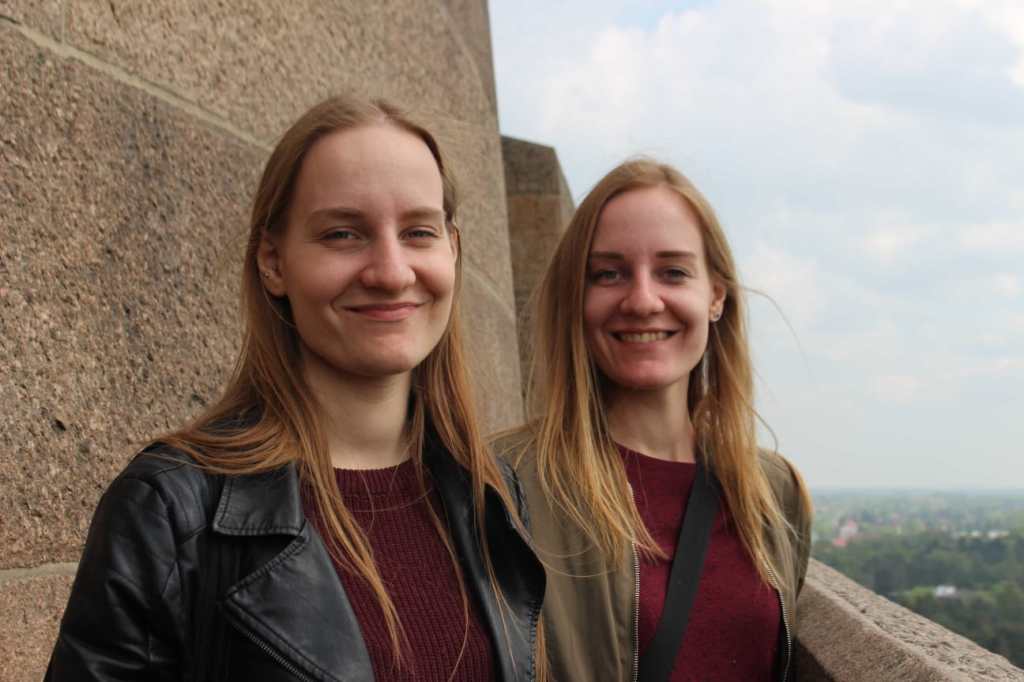
Q. You mentioned you traveled to these places with your sister and for those that don’t know you’re a twin. Did you find it was easier to go on these travels because you had your sibling with you, or do you think you would have done the same things even if alone?
A. It’s certainly easier to have gone with them because we bounce off each other well and If I were alone, I’d have lacked courage to make certain steps or plans, it’s always nice to have someone to fall back on especially if you’re looking for where to live or work so for me it was a great experience to have them with me.
Q. For myself I did it all alone and what you said resonates with me in that I think I held myself back on some experiences because I didn’t have anyone with me. Moving on to more recent times you recently became a British citizen! I don’t often hear about people who go through that process. Could you explain some of your reasoning for wanting to do that?
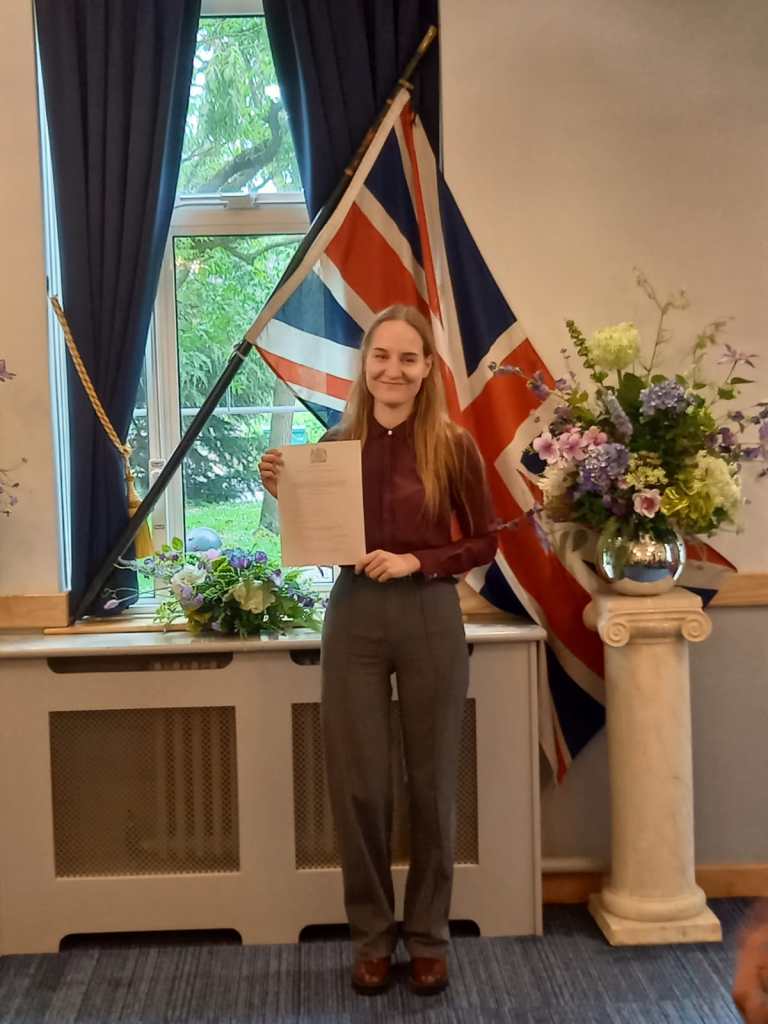
A. You could say this was more of a formality because of Brexit, when I came here 7 years ago I already knew I wanted to get a passport but this was around when Brexit began, I didn’t have to do it but I love to travel and I felt If I got the passport sorted I could come back to where I considered home easily.
I’ll never be fully British because I was not born here but the thing is this is my home now, I am very comfortable here and when I got back to Latvia it definitely feels like this is an ‘old home’.
Q. Was there a particular moment in these 7 years where it just ‘clicked’ for you that you wanted to be British?
A. It was back when I came here at 16 for sure, like I said I just fell in love with it all and it gave me that feeling of ‘when you know you know’.
Q. What was the process like to obtain the citizenship? Going through Visas myself for my family I can imagine it was quite lengthy and perhaps expensive?
A. It was quite long, you need to be in the country for 6 years before you can apply, you need to pass a language test and also a life in the UK Test but the most arduous part was having to keep records like all of my travels in the last 5 years, luckily I knew that before I began so I saved everything. It is also expensive, in the thousands!
Q. You seemed very proud when you were showing off your passport after it arrived, and it was so nice for me as a British person to see somebody so happy to join the nation. Do you now feel more British than Latvian or both?
A. It felt like a real achievement to see my dream come true! For me I don’t feel fully British or Latvian because I’m not on the same level as both anymore as I am either an immigrant or I have been out of my home country for so long there is a disconnect.
Q. What has been one of your favourite experiences in England or the wider UK?
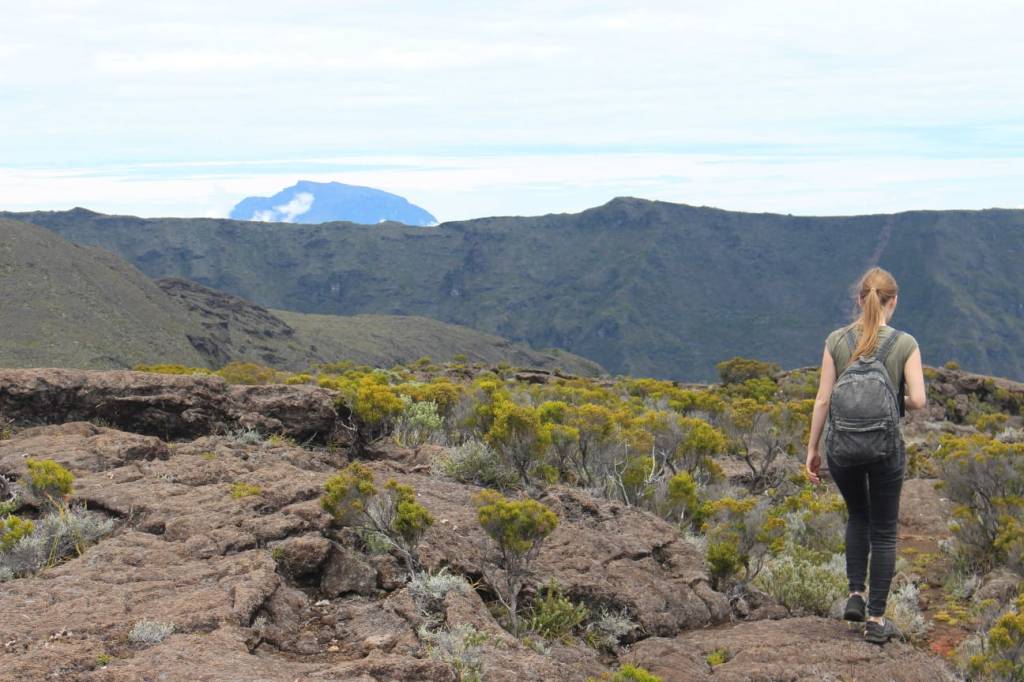
A. When for my birthday a few years back I went to Edinburgh, Scotland via a train from London. I stayed 3 days and then my friends and I rented a car to drive through the highlands and go hiking. It was incredible I still remember the views and nature; I’ll never forget it.
Q. Is there anything you feel you’d like to see Latvia emulate from the UK or vice versa?
I think we could learn from each other; I think Latvians could be less individualistic and become more of a community like the UK. I also think people in the UK could be a little more direct sometimes and say how they feel rather than dancing around a subject
Q. Is there anything you really miss about Latvia at the moment?
A. My family and my cat! I do also miss the nature on a nice sunny day, we also have some traditions around midsummer that are not really done in the UK to my knowledge.
Q. Do you feel connected to your roots still while being in England?
A. In some ways because of the food I like, and I get to speak to my family on the phone, also my sister lives here so there is always that connection.
Q. I mentioned this in a previous interview but I feel England was the hub for many Eastern European people to move to around 20 years ago, do you feel it’s easy to connect with Eastern European people here or do you even want to do that?
A. I have a lot of Polish friends, it’s not the same but it’s a similar culture due to being a Post-Soviet country we have some shared experiences even if we didn’t grow up in the Soviet era. I don’t really seek people out though it just depends on the situation like if I work with people from a similar area. I’m happy to get to know anyone though.
Q. From what I know about you, you have also in the past had a focus on writing, what kind of writing did you do?
A. Well I’ve always enjoyed writing, when I was a teenager, it was more short stories and then I moved on to poems because I like the way you have to frame your thoughts in a concise way. I like the way I can put my thoughts out on paper so that I don’t dwell on things, I guess it’s a form of self-care.
I tend to just use what comes to my head or how I’m feeling at the time to find my inspiration.
Q. The reason I ask this is because you told me previously that you do not write so much anymore and I wondered why that might be because I was also an aspiring writer who lost the will to continue their hobby.
A. I think I am just better at regulating my feelings these days, I don’t have the urge to express myself in this way anymore. I do still write but it’s just not the same level as before. I still would like to publish a book one day though.
Q. What’s stopping you?
A. Nothing, I think I just need to find the right path to do that.
Q. I would say I was the same, but my path turned into this blog because I feel people have a lot to share and I’d like to build connections with people. In saying that you and a colleague through our work have set up something similar called ‘Coffee Dates’, could you explain what that is?
A. I had a feeling for a while where we don’t really communicate much at work outside of being just colleagues, everyone sits with their own teams and doesn’t interact that much unless they need something, especially on a wider department scale. I thought it would be great to foster connections in this way rather than teams at it helps put faces to names and can make things like feedback easier.
Q. Would you encourage people to make connections more like this, for example people don’t tend to interact with their neighbours much these days?
A. Yes, I think it’s always good to talk to each other more, I do appreciate there are barriers sometimes, like if you don’t know someone that well already, it’s probably easier in situations where you work together, but who knows if you push yourself, you could meet your best friend’.
Q. I agree, we didn’t speak that much before we were tasked work together and in a short time, we’ve become good friends and now we’re here doing this interview. I do think making connections is great and in the case of a country like the England or the wider UK if we continue to foster connections we will become a more accepting society overall.
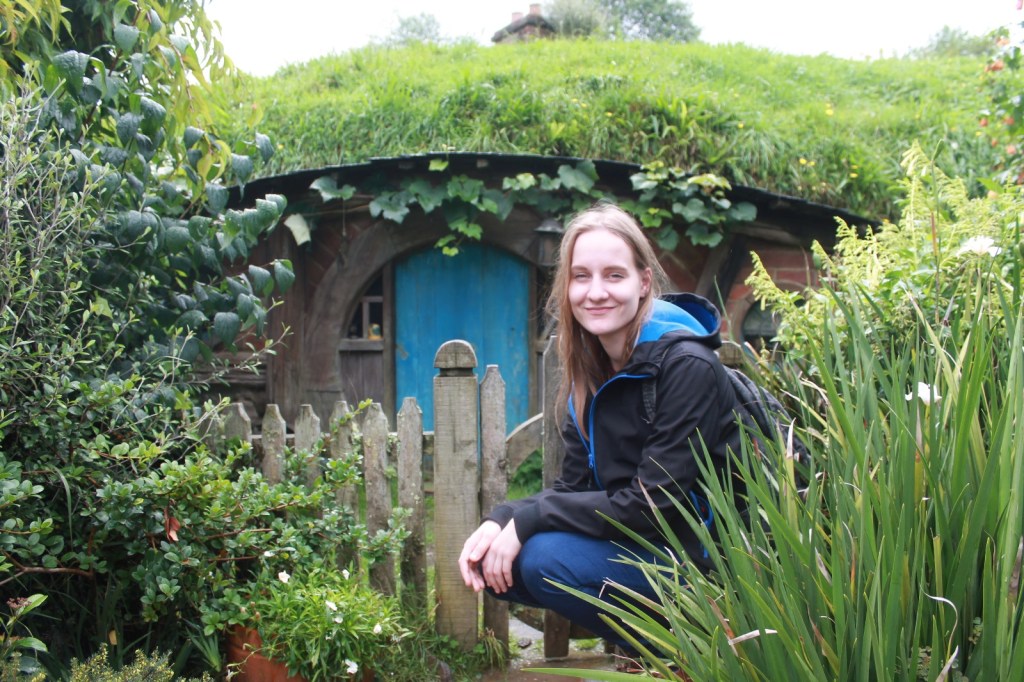
I wanted to thank Ilva again for sharing their story with us. I’ll admit it made me feel proud to be British and proud that there are people out there willing to go through the long process of being British themselves purely out of their love for the UK but not forgetting where they came from.
See you again next time for another interview!
 Interviews With You! By Lewis Jane